As Vietnam’s shrimp industry faces potential challenges from new US trade tariffs, diversifying export markets has become more urgent than ever. Australia emerges as a stable, high-potential destination well-suited for value-added shrimp products, offering a strategic buffer to sustain growth momentum.
Steady and Positive Export Growth
Australia currently ranks as Vietnam’s fifth largest single shrimp export market, accounting for approximately 7% of total export value. In the first four months of 2025, exports to Australia reached nearly USD 77 million, up 8% year-on-year. From 2019 to 2024, Vietnam’s shrimp export turnover to this market increased steadily from USD 127 million to over USD 240 million.
Notably, whiteleg shrimp makes up 95% of total volume exported, with value-added products accounting for 40% of total export value. Items such as shrimp dumplings, skewered shrimp, steamed shrimp, and peeled frozen shrimp are increasingly popular among Australian consumers thanks to their convenience and high quality.

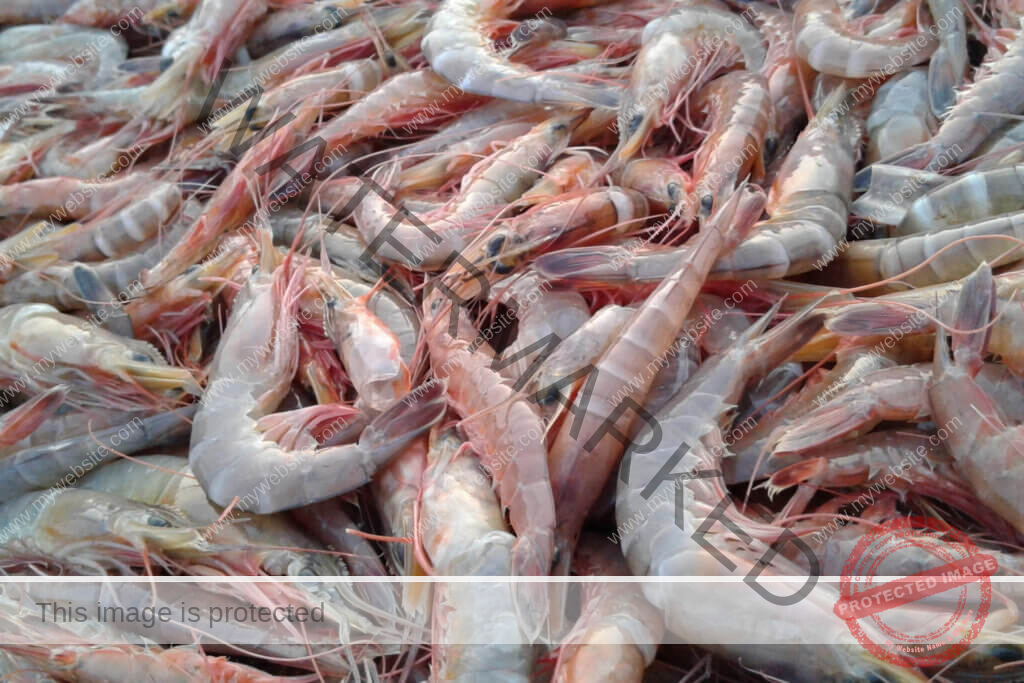
- Vietnam’s shrimp has maintained steady growth over the years
FTA Advantages and Strong Bilateral Relations
Vietnam and Australia are both members of major trade agreements such as CPTPP, RCEP, and AANZFTA. These FTAs not only eliminate tariffs but also simplify customs procedures, align standards, and enhance trade transparency.
Moreover, the two countries upgraded their relationship to a Comprehensive Strategic Partnership in March 2024, opening up greater opportunities for bilateral cooperation in agriculture and fisheries.
Despite a population of only 25.7 million, Australia is a high-consumption, high-value market with growing demand for:
-
Convenient, nutritious, traceable foods, especially among younger consumers and high-income households in cities like Sydney and Melbourne.
-
Ready-to-cook and ready-to-eat shrimp products, where Vietnam has strong capabilities.
-
Sustainable and healthy protein sources, supported by rising trends in flexitarian diets and healthy lifestyles.
Vietnamese exporters can leverage these trends to expand their presence in the premium, value-added segment.
The large Vietnamese diaspora (approx. 300,000 people) also plays a vital role in boosting demand and promoting Vietnamese shrimp products in local communities.
Vietnam’s Competitive Edge
Vietnamese shrimp competes directly with products from Thailand, Indonesia, and India—mainly in the low-cost, unprocessed segment. However, Vietnam stands out with:
-
Reliable product quality
-
Diverse, innovative product lines
-
Strong value-added processing capabilities
Leading companies such as Minh Phu, Sao Ta, and Stapimex have invested heavily in modern processing technologies and traceability systems, helping maintain a solid international market presence despite pricing pressures.
While opportunities abound, Vietnamese exporters still face several hurdles:
-
Strict Australian quarantine regulations, requiring shrimp imports to be free of antibiotics, pathogens, and viruses.
-
High logistics costs and long transit times (14–18 days). Some exporters have mitigated this by leveraging cold supply chain hubs in Singapore or Darwin to reduce delivery time and optimize costs.
Strategic Recommendations for the Vietnamese Shrimp Industry
To fully capitalize on Australia’s potential, the seafood sector should:
-
Strengthen sector-specific trade promotion in major states like New South Wales and Victoria.
-
Invest in cold chain logistics and integrated reefer container transport for long-haul shipments.
-
Advocate for simplified technical and administrative procedures to facilitate market access for whole shrimp and semi-processed products.
-
Develop private-label products for major Australian retailers like Woolworths and Coles.
-
Focus on value-added, ready-to-eat, premium products with robust digital traceability and international certifications such as ASC, BAP.
If US tariffs make the American market less accessible, Australia could become a strategic fallback, helping Vietnam avoid major export disruptions. Unlike the US, Australia offers a more stable political environment, transparent legal system, and consistent demand, reducing long-term risks for Vietnamese exporters.
With strong bilateral ties, growing demand for processed shrimp, and robust support from next-generation FTAs, Australia is poised to become a key export market in Vietnam’s shrimp diversification strategy.
Aligned with the theme of “Proactive Adaptation – Innovation – Sustainable Growth” at the upcoming 7th VASEP General Assembly (2025–2030) on June 12, Vietnam’s shrimp exports to Australia are expected to continue growing—contributing significantly toward the industry’s goal of USD 14–16 billion in seafood export turnover by 2030.
Source VASEP